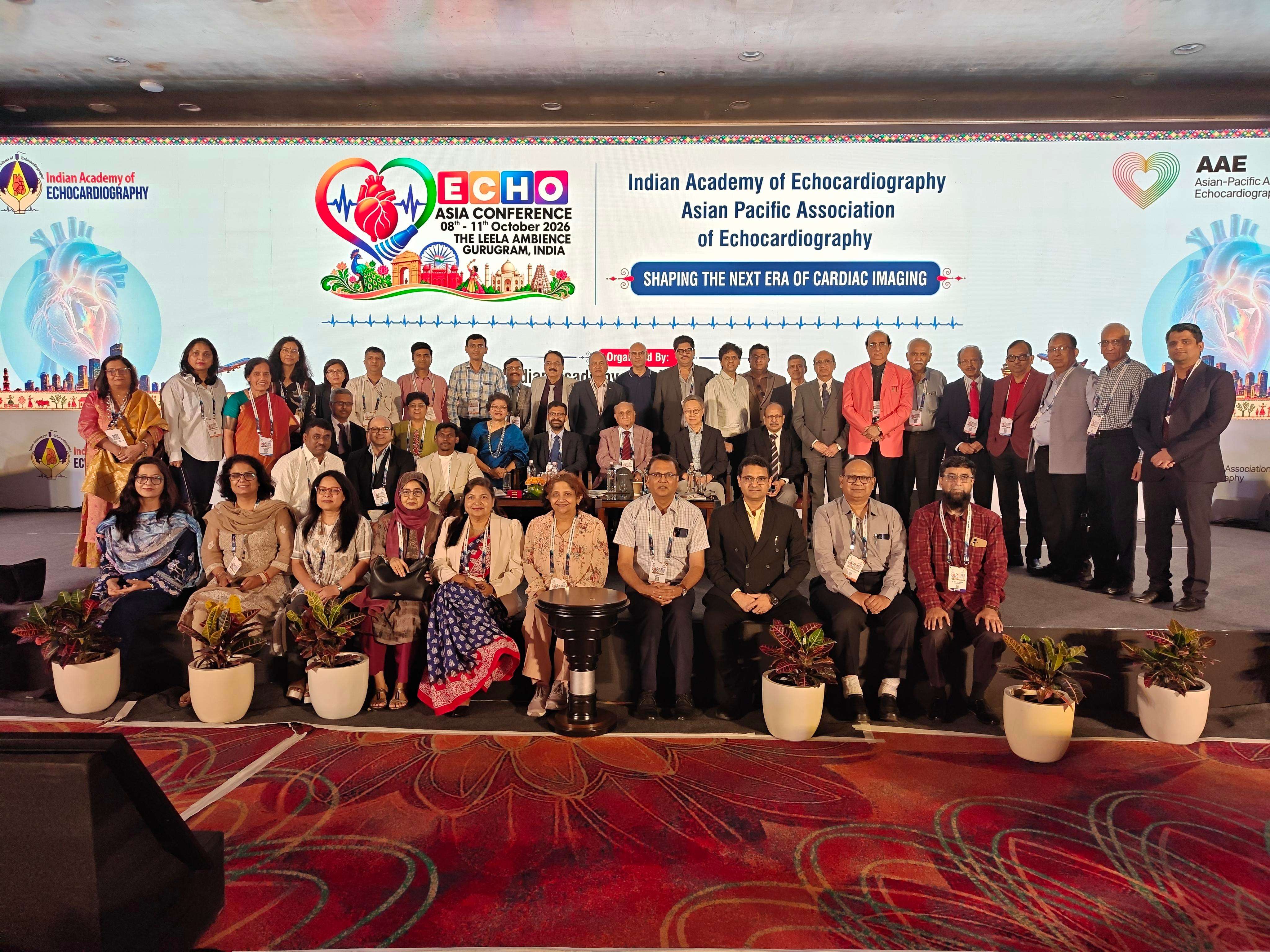
Gurugram, October 30, 2026: The four-day international conference ECHO ASIA/ECHO INDIA 2026, held from October 8 to 11 at The Leela Ambience Gurugram Hotel, brought together around 1,500 delegates from 20 countries to discuss advances in cardiac imaging and the early detection of heart diseases. The conference brought together cardiologists, doctors and researchers from India and across the world, including the UK, the US, Japan, South Korea, Singapore and Australia.
Organised by the Asian-Pacific Association of Echocardiography (AAE) and the Indian Academy of Echocardiography (IAE) under the theme ‘Shaping the New Era of Cardiac Imaging’, the conference featured discussions on new diagnostic techniques, scientific research and their practical applications. Asymptomatic heart disease, Stage B heart failure, heart-related risks associated with diabetes, and the role of artificial intelligence (AI) in cardiac imaging were among the key topics.
Early Detection Can Improve Treatment
Dr. Hansa Gupta, President of the Indian Academy of Echocardiography, said the conference provided experts from India and abroad, as well as young doctors, with an opportunity to learn about new techniques in advanced cardiac imaging and share their experiences.
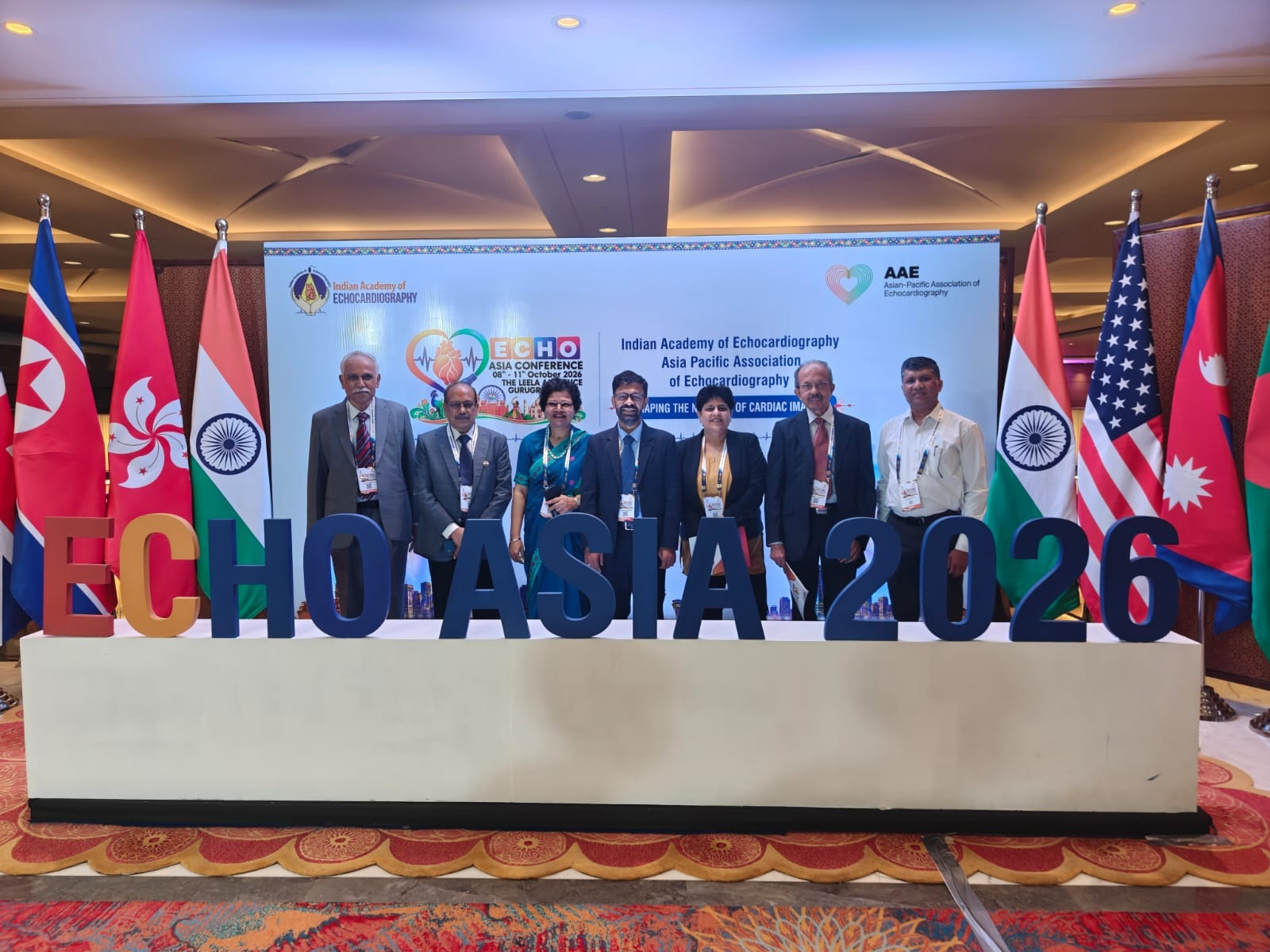
She said, “Cardiac imaging can help identify certain early changes in the structure and functioning of the heart. The scientific knowledge gained at the conference and the effective use of new technologies in clinical practice can help assess patients’ risks in a timely manner and plan appropriate treatment.”
Key Takeaways from Four Days of Deliberations
Dr. Rakesh Gupta, Executive Organiser of the conference, said experts held detailed discussions over the four-day event on early diagnosis and the practical application of advanced imaging techniques. The objective was to familiarise doctors with the latest scientific developments and encourage them to apply these learnings to improve patient care at their respective medical centres.
He said, “In matters of heart disease, the focus should be on identifying risks in a timely manner rather than waiting for serious symptoms to appear. A balanced diet, regular walking, physical activity and stress management are also important for heart health.”
Discussions on Stage B Heart Failure and Diabetes
Experts explained that changes in the structure and functioning of the heart can begin in some patients before noticeable symptoms appear. Patients with Stage B heart failure may not have obvious symptoms, but abnormalities in the heart may already be present. Techniques such as echocardiography and strain imaging can help assess these changes.
During discussions on heart-related risks associated with diabetes, experts explained that persistently high blood sugar levels over a prolonged period can affect the structure and functioning of the heart muscle. Patients at risk should undergo investigations and regular monitoring as advised by their doctors.
Dr. Manish Bansal, Vice-Chairman, Clinical & Preventive Cardiology, Medanta – The Medicity, Gurugram stated, 'Heart-health assessments should not be limited to people who have already developed symptoms. Regular monitoring of blood pressure, cholesterol, blood sugar and other relevant risk factors can help identify potential problems early. People with diabetes, a smoking history or a family history of heart disease at a relatively young age may need closer attention based on their overall health profile'.
'Advanced cardiac investigations are useful in identifying underlying heart conditions, but they should go hand in hand with preventive healthcare. Several factors, including diabetes, high blood pressure, obesity, poor dietary habits, thyroid disorders, sleep apnoea, smoking and lack of physical activity, can increase a person's chances of developing cardiovascular disease. Long-term stress, poor sleep patterns and exposure to air pollution can further add to these risks' further added Dr Bansal.
Dr. Munesh Tomar, Pediatric Cardiologist, while highlighting the importance of early diagnosis of congenital heart defects in children, said "Congenital heart defects are among the most common cardiac problems seen in children. Early identification and timely treatment are extremely important because when diagnosed at the right time, the treatment outcomes are excellent. Children cannot always communicate symptoms such as chest pain or discomfort the way adults do. Therefore, parents and pediatricians need to be alert to changes in a child's behavior, feeding patterns, growth and activity levels. Delayed diagnosis, on the other hand, can lead to complications and affect the child's health. Echocardiography is an important investigation that helps identify structural heart defects and guides further treatment."
AI and Advanced Imaging Offer Potential for Better Diagnosis
The use of AI was also discussed at the conference. AI can assist doctors in analysing echocardiographic images, taking important measurements and identifying potential abnormalities. However, doctors make the final clinical decisions after considering the patient's overall condition.
Dr. Kapil Khanna, President of the Indian Association of Clinical Cardiologists, said echocardiography is a non-invasive diagnostic test that does not use radiation and can be repeated when required. He added that the effective use of advanced imaging and AI can help doctors understand the structure and functioning of the heart and support patient management.
The scientific programme included discussions on 3D echocardiography, cardiac MRI, stress echocardiography, cardiac amyloidosis and the early detection of cardiomyopathy. Experts also exchanged views on the proposed IAE-AAE multicentre study aimed at improving understanding of hidden heart diseases and their associated risks.
The conference concluded with the message that significant steps can be taken towards the early detection of heart diseases and better patient care by promoting advanced cardiac imaging, AI-based assistance, scientific research and continuous training for doctors.